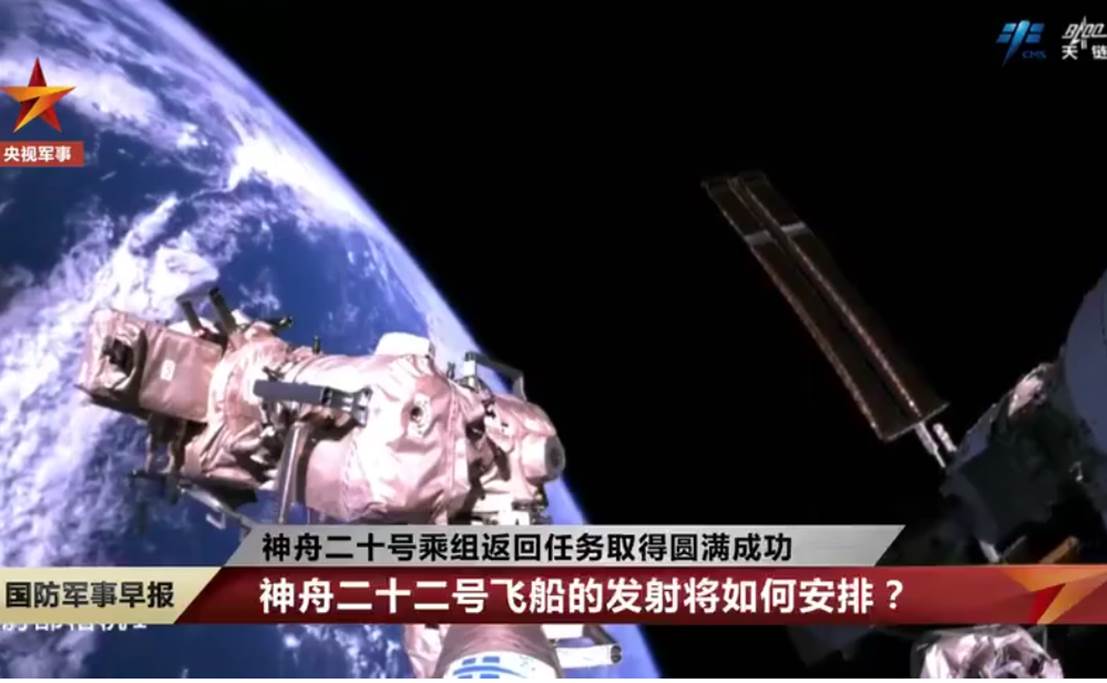
On November 15, the Shenzhou - 20 crew has returned to Earth safely. In accordance with the planned arrangements, the Shenzhou - 22 spaceship will be launched at an appropriate time subsequently.It is reported that the launch mission of the Shenzhou - 22 spaceship has been initiated currently. The spaceship will carry a full load of cargo into space, including food for taikonauts and facilities as well as equipment for the space station.
China's first high-energy direct geometry inelastic neutron scattering time-of-flight spectrometer has successfully passed acceptance. It fills the gap in inelastic neutron scattering above 100 millielectronvolts in China.The instrument can observe substances—obtaining both the spatial distribution information of scattered neutrons and the energy changes of scattered neutrons, enabling the measurement of the dynamic behavior of the microscopic structure of matter in momentum and energy space.Meanwhile, it can achieve rapid switching between multi-wavelength mode and single-wavelength mode.

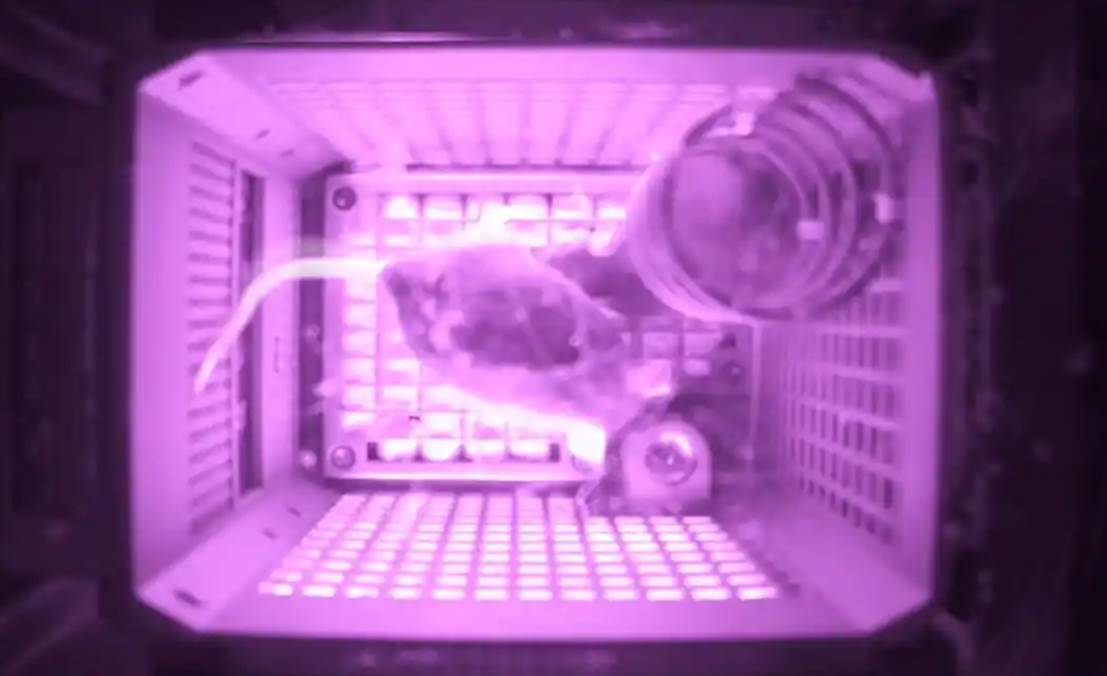
On November 15, the ninth batch of space science experiment samples from China's space station was successfully delivered to scientists for follow-up research.The returned samples cover fields such as life science, materials science and combustion science, including a total of 26 experimental projects with a total weight of approximately 46.67 kilograms.Among them are 9 types of life experiment samples, 32 types of material experiment samples and 3 types of combustion experiment samples.
The 27th China International High-Tech Achievement Fair (CHTF), themed "Technology Empowers Industries, Integration Creates the Future", opened in Shenzhen.This session of the CHTF has gathered more than 5,000 well-known enterprises and relevant international organizations from over 100 countries and regions around the world to participate in the exhibition, focusing on displaying more than 5,000 new products, new technologies and new achievements representing the global technological frontier.

The world's first intelligent monitoring equipment for deep-sea pipeline laying, the "Haiwei" system, has successfully completed sea trials.
Multiple key technical performance indicators of the system, including its wave-resistant unmanned ship, autonomous remotely operated vehicle (ARV) and optical communication, have all met the design requirements.
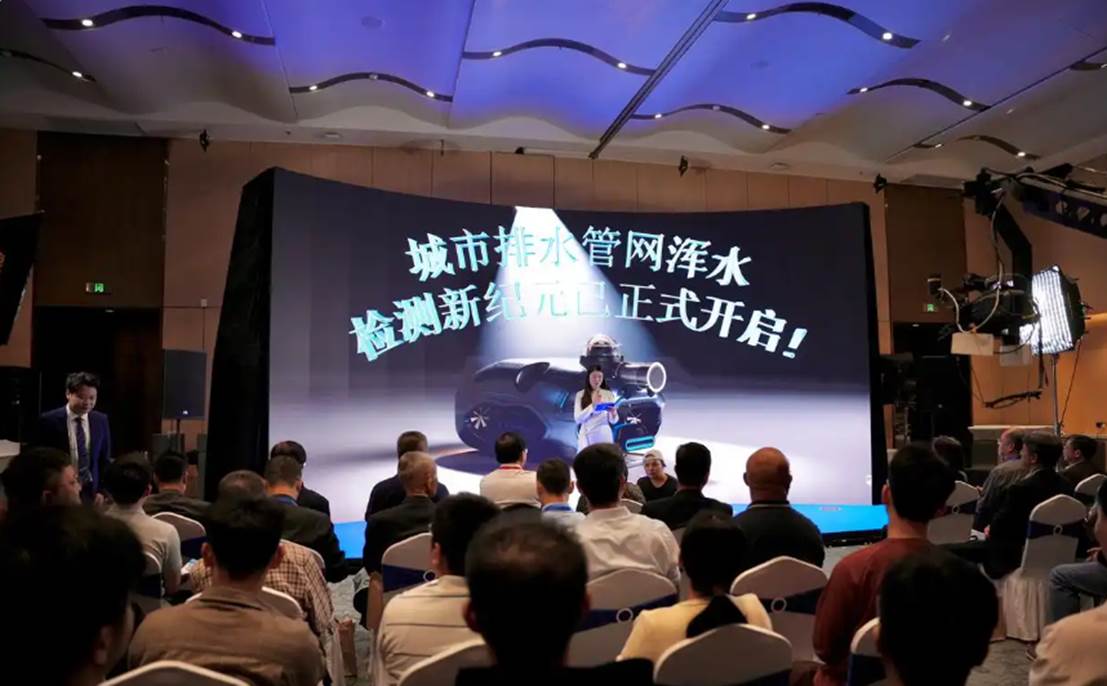
It has successfully solved the problem of pipeline inspection in high-water-level environments, realizing accurate identification of 12 types of pipeline defects without the need for dewatering.
This achievement fills the domestic gap and reaches the international leading level.